
If your lawn spent this summer looking patchy, brittle, or just plain tired, you’re not alone. Between the heat, the humidity, and the heavy clay soil that runs under most St. Louis yards, cool-season lawns take a beating every year between June and August. The good news is that fall is exactly when St. Louis lawns bounce back — and the next few weeks are the single best window all year to turn a stressed, thin lawn into something thick, soft, and green again.
Here’s what’s actually happening in your yard right now, and the step-by-step plan to fix it.
Why St. Louis Lawns Struggle Every Summer
Most lawns in the metro area are planted in tall fescue, a cool-season grass that thrives in spring and fall but goes dormant — or dies back in patches — under prolonged summer heat and drought stress. Two local conditions make this worse than it needs to be:
- Heavy clay soil. St. Louis clay compacts easily under foot traffic, mower wheels, and the seasonal swings between drought and downpour. Compacted soil chokes off the oxygen, water, and nutrients that grass roots need to survive summer.
- Natural fescue thinning. Unlike spreading grasses, fescue doesn’t fill in bare spots on its own. It needs to be reseeded on a regular cycle or it slowly gets thinner, patchier, and more vulnerable to weeds every year.
Add a hot, dry August on top of that, and it’s no surprise your lawn looks rough by Labor Day. The fix isn’t more water in July — it’s a proper restoration in fall, when the grass is actually built to grow.
Why Fall Is the Best Time to Revive Your Lawn
Once soil temperatures start to cool but stay warm underground, fescue shifts out of survival mode and starts building roots again. Cooler air, more consistent rainfall, and reduced weed pressure all work in your favor. This combination is why lawn and turf experts, including agronomists at the University of Missouri Extension, consistently point to September and October as the prime seeding window for the region — new grass seed germinates faster, roots establish deeper, and young grass has time to mature before winter dormancy sets in.
Try to do this same work in spring instead, and you’re racing the clock against summer heat before the new grass has had a chance to establish. Fall gives your lawn a full head start.
The Fall Lawn Revival Checklist
1. Clear the Lawn First
Before any restoration work begins, remove debris, thatch buildup, and fallen leaves. A layer of wet leaves left sitting on the lawn blocks sunlight and traps moisture against the grass, which invites fungal disease right as you’re trying to establish new growth. Rake or mulch leaves regularly through the season rather than letting them pile up.
2. Aerate to Break Up Compacted Clay
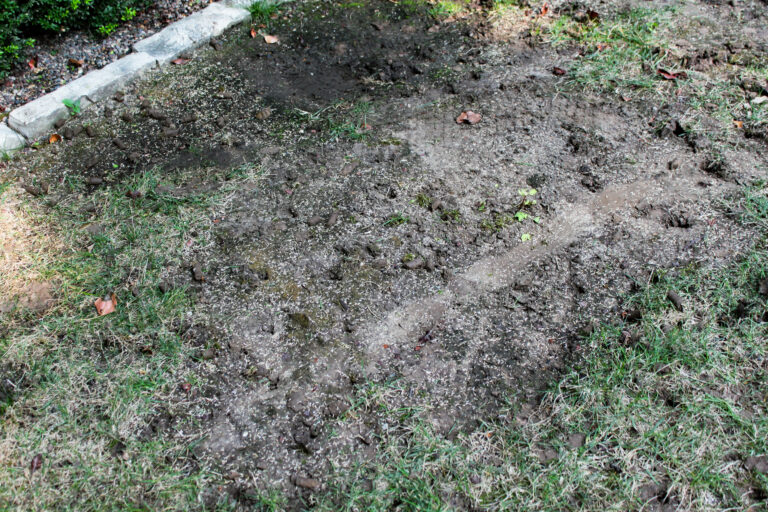
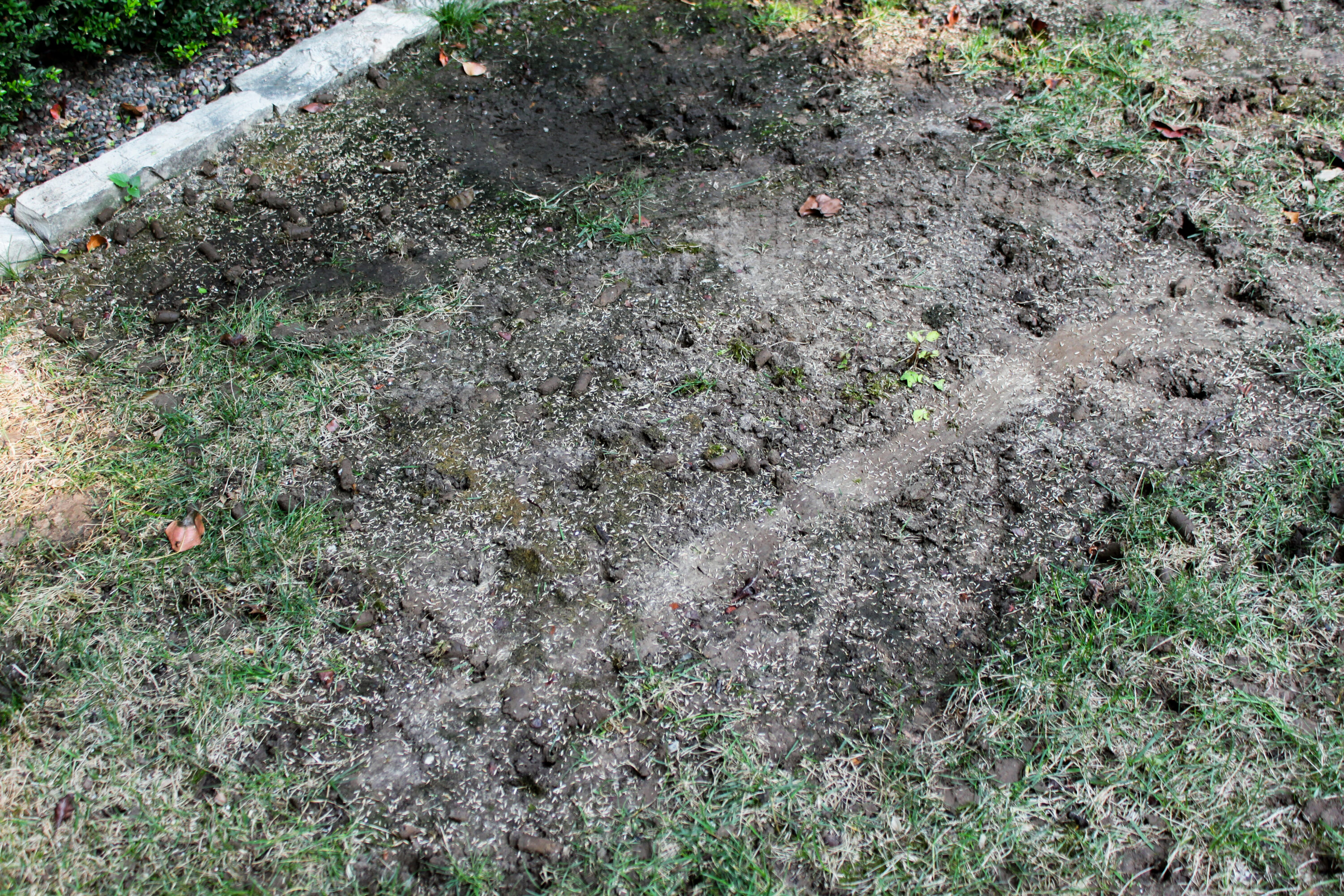
Core aeration is the single most important step for reviving a stressed St. Louis lawn. A core aerator pulls small plugs of soil out of the ground, relieving compaction and opening channels for air, water, and nutrients to reach the root zone. Just as importantly, those holes give grass seed a place to actually contact soil — instead of sitting on top of hard, compacted ground where it’s far less likely to germinate.
3. Overseed With the Right Blend
Immediately after aerating, overseed with a fescue blend suited to Missouri’s climate. This is how thin, patchy areas fill back in and how your lawn crowds out weeds naturally over time. Seeding directly into fresh aeration holes dramatically improves germination rates compared to just scattering seed over the surface.
4. Topdress for Better Establishment
A thin layer of quality compost or topsoil spread over freshly seeded areas helps hold moisture around the new seed, improves drainage, and adds organic matter the grass can grow into. It’s a step a lot of basic seeding jobs skip, but it makes a noticeable difference in how thick and even the results come in.
5. Fertilize on a Fall-Heavy Schedule
Fescue lawns in this region respond best to a fall-weighted fertilization program. A general local guideline looks like this:
Early September: A heavier nitrogen application to fuel new growth and root development after seeding.
Late October to Early November: A final winterizer application, which helps the grass store energy through dormancy and green up faster next spring.
Skip the temptation to push fertilizer hard in the summer months — during peak heat stress, it can do more harm than good.
6. Adjust Your Watering
New seed and recovering roots need more frequent, lighter watering than an established lawn to keep the top layer of soil consistently moist during germination. As temperatures drop and the grass matures going into late fall, you can pull back — stop regular watering once daytime temps consistently sit below 50°F or the lawn has been through several freezing nights.
7. Handle Weeds and Mowing Through the Season
Keep mowing through fall, but trim slightly shorter — around three inches — to reduce the risk of matting and mold once frost or snow arrives. Address any lingering weeds now too; treating them before winter keeps them from getting a head start competing with your new grass next spring.
Signs Your Lawn Needs More Than a DIY Fix
A few dry patches after a hot summer are normal and usually bounce back with the steps above. But if you’re seeing large bare areas, soil so compacted a screwdriver won’t push into it, or grass that hasn’t greened up at all despite watering, that’s usually a sign of deeper compaction or thatch buildup that a basic seed-and-water routine won’t solve on its own. In those cases, a professional aeration and overseeding program — timed correctly and paired with the right fertilization — tends to produce a noticeably thicker, more even lawn than DIY attempts, and it saves you from re-doing the work again next fall.
The Bottom Line
St. Louis lawns aren’t fragile — they’re just working against clay soil and brutal summers every year. Fall gives you a real window to reset all of that: cooler air, better soil moisture, and grass that’s actually built to grow right now instead of just survive. Aerate, overseed, topdress, feed, and adjust your watering, and you’re set up for a noticeably thicker, softer lawn by the time spring rolls around.
If you’d rather hand the whole process off, Quiet Village Landscaping works with St. Louis lawns through the fall restoration window every year and can walk you through what your yard actually needs.