
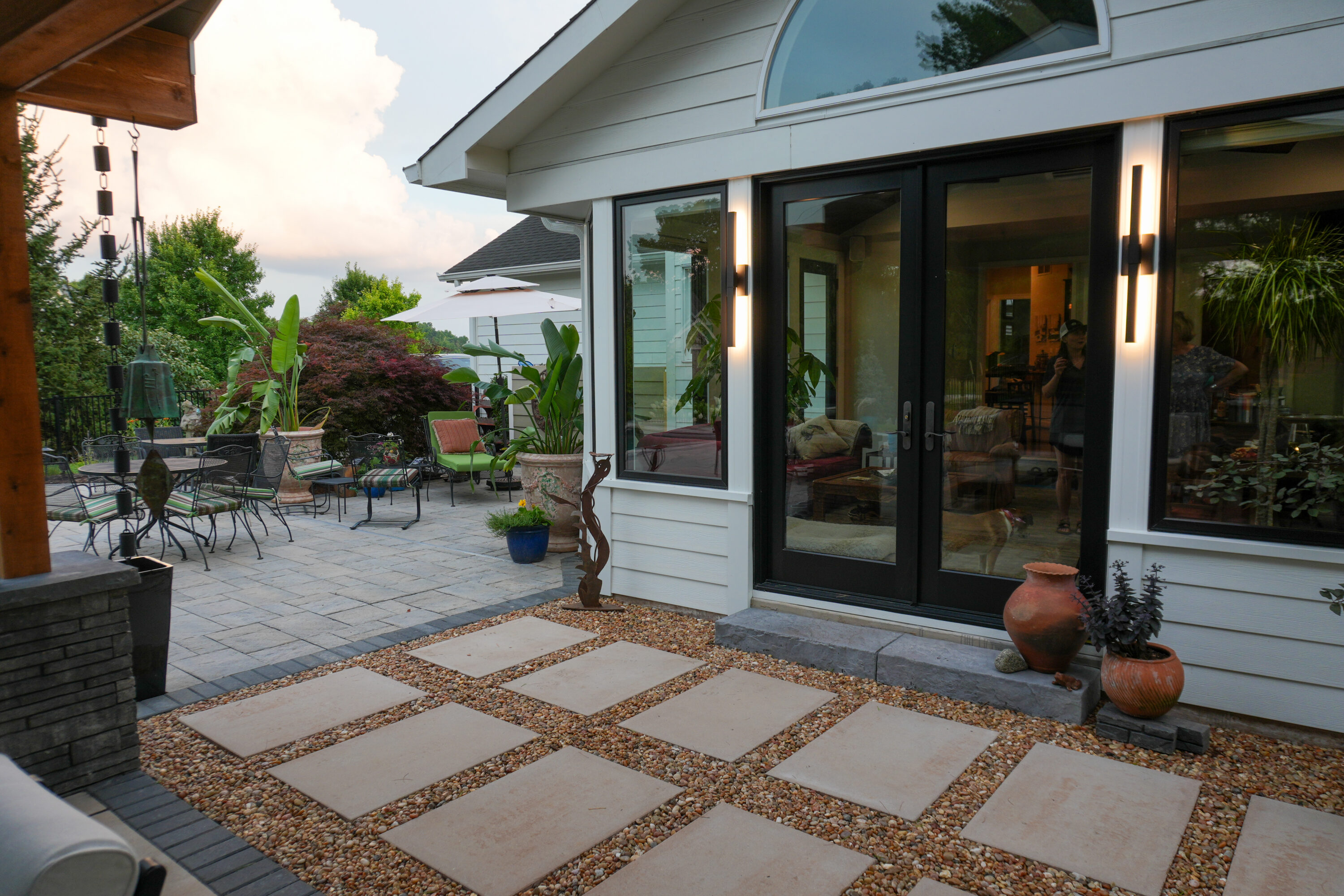
If you’re thinking about a major landscape transformation next year, then spring is probably when you think about it being finished and ready to go, right? New planting beds, a beautiful patio, a retaining wall, an outdoor kitchen, or maybe a completely different backyard to what you have now.
But, if you’re hoping for a spring transformation, work needs to start a lot earlier. For homeowners planning a landscape architecture or landscape design project in St. Louis, fall can be the ideal time to get started with this. Beginning in autumn gives you time to assess your property, develop a design that you love, set a realistic budget that you can stick to, and get your construction booked in before the spring rush.
Let’s take a look at what a timeline can look like.
Fall: Start With Site Assessment
The first stage is going to be understanding what you’re working with. During a fall site assessment, your landscape team will be able to walk through the property, discuss what your goals and requirements are, look at the existing conditions of the landscaping, as all of this is going to influence the design.
Specific existing conditions that will impact design include:
- Grade of the property
- Drainage
- Soil
- Existing vegetation
- Sun exposure
- Access points
These are extremely important in St. Louis as properties can have drainage challenges, extreme seasonal weather, and heavy clay soil.
Fall can be a fantastic time to get a proper idea of the landscape because summer growth will have slowed down, and some problems become more visible. Standing water, worn area of your lawn, drainage patterns, and planting beds can all influence the design. This initial assessment gives the project a foundation to work from before any further decisions are made.
Late Fall: Define The Scope And Priorities
Once the site has been assessed, the next step is determining exactly what you want the project to actually include and accomplish. A landscape project could be one major feature, or it could be several interconnected improvements.
You might be planning a new patio and outdoor kitchen, or maybe you want to improve drainage, add retaining walls, or create a completely new outdoor living space. Either way, defining the scope early helps to separate the essentials from the features that can be added later if needed. On top of that, it helps provide much needed information to stay within your budget.
Working this all out in the fall gives you time to think through everything over the next couple of months, rather than trying to rush a decision when spring comes around.
Early Winter: Design Development
Now that the site assessment has taken place and the project goals have been established, the design is now able to begin taking shape. Essentially, this is where the project goes from ideas to a plan.
Hardscape elements, planting areas, grading considerations, circulation routes, drainage solutions, and other components all need to work together rather than being treated as though they are separate additions.
Quiet Village’s landscape design process thinks about the relationship between the property’s environment and the finished landscape, including things like site conditions, as well as how certain features like patios and retaining walls are going to fit together.
Winter: Review The Budget And Go Over The Plan
Winter is a fantastic time to work through the financial side of the project as there is still plenty of time before construction season starts. A detailed design makes it easier to understand where your money is going. Some of the main spending areas include:
- Drainage work
- Materials
- Site preparation
- Hardscape construction
- Planting
- Lighting
If the initial plan turns out to be over budget, winter gives you the time you need to make adjustments to fit into it. You might be able to change materials, or prioritize the things that matter most to you right now. The goal here is to come up with a plan that makes sense financially and visually before crews arrive in the spring.
Early Spring: Finalize All Of The Details
Now that the design and the budget have been finalized, thoughts can now start thinking about construction planning. This can include doing things like confirming materials, reviewing the final scope of the project, ordering any necessary products that are needed, working out the correct construction sequence, and so much more.
Getting details like this organized ahead of spring can make the process so much smoother. Instead of beginning the designing process when everyone else is trying to book in work, your project can get on the calendar with all of the major decisions having already been made. This speeds things up for you, and allows you to get the spring transformation that you desire.
Quiet Village offers design and construction services as part of its full-service landscaping approach, allowing the design process to connect seamlessly with the installation phase, which is exactly what you need for an easy life here.
Spring: Bring The Design To Life
When spring arrives, the planning phase is over and the construction phase can begin. Depending on the project, work may include site preparation and grading before anything else can be done. Once this has been completed, then things like hardscape construction, drainage improvements, planting and finishing details can all be completed. Proper sequencing is essential here because the foundation of the landscape needs to be sorted out before anything else can be done.
Book Your Fall Landscape Design Consultation
If you’re considering a landscape transformation for next spring, don’t wait until the first warm weekend hits to start planning.
Book a fall design consultation with Quiet Village Landscaping to walk through your property, discuss your goals, assess the site, and begin developing a plan for spring construction. If you start now, it gives you time to work through the design and budget, securing your place in the spring build schedule.