

What Does Professional Perennial Care Look Like?
If you’ve ever wondered what a professional landscaper is doing when they tend to your perennial gardens (plants that come back year after year), we’re here to let you know. It looks simple from the outside. But there’s a lot more going on than pulling a weed here and trimming a stem there.
Here’s a look at what goes into caring for perennials the right way, and why it matters more than most homeowners realize.
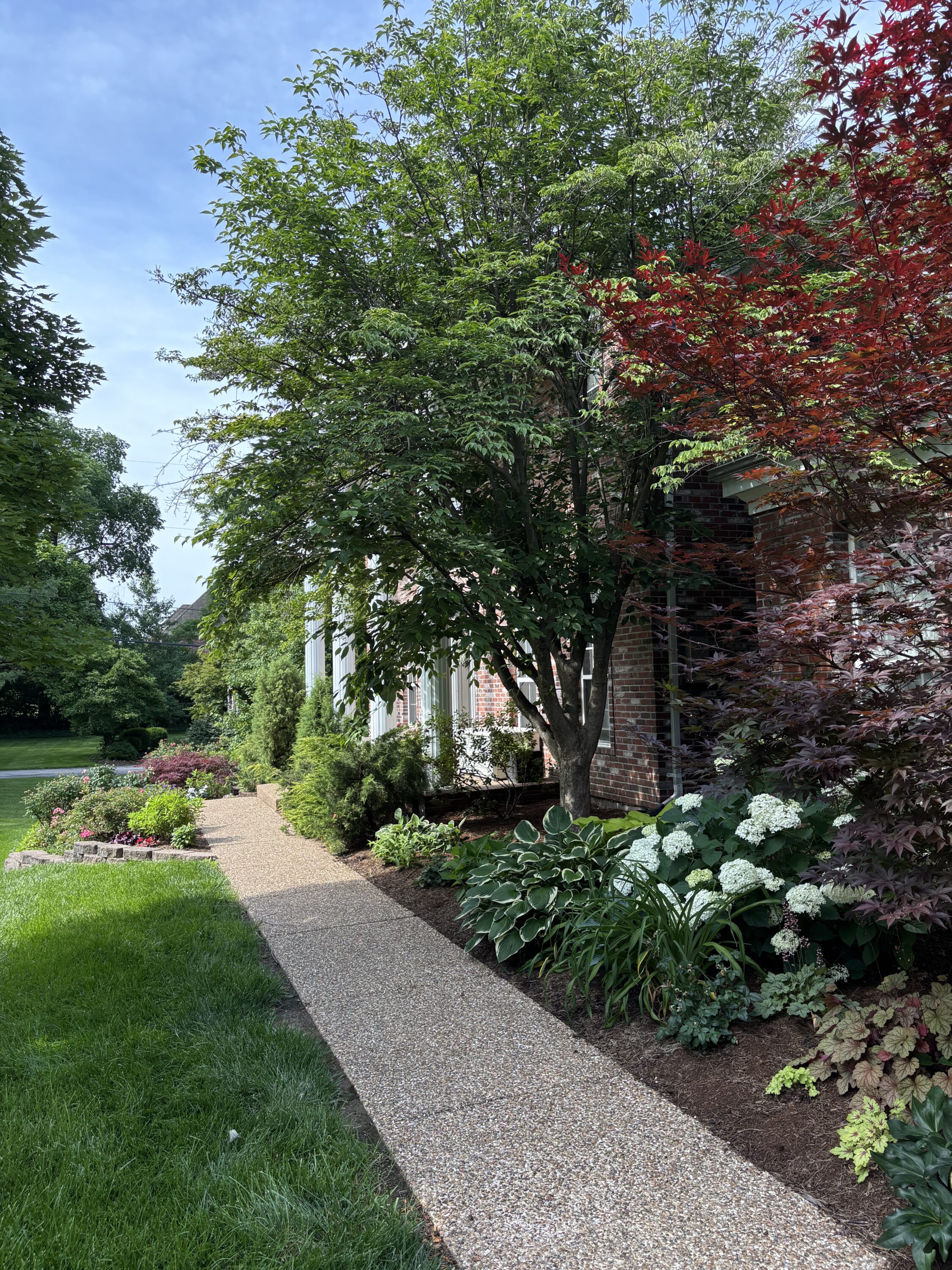
Every Perennial Is Different (That’s Kind of the Point)
One of the biggest things that sets professional perennial care apart is knowledge. Not all perennials are created equal, and a one-size-fits-all approach is one of the most common mistakes homeowners make when managing their own gardens.
Each plant has its own timeline, its own pruning needs, its own preferences for how and when it should be cut back or fed. What’s right for a peony is wrong for an aster. What works for a lilac doesn’t apply to a coneflower. Knowing the difference, and acting on it at the right time of year, is what keeps a garden healthy and looking its best season after season.
What a Perennial Garden Visit Actually Looks Like
Professional perennial care is really two things happening at once: horticulture and aesthetics.
The horticulture side is the science. It’s knowing when a plant needs to be deadheaded, when foliage should be cut back, when fertilizing will actually help versus stress a plant out. It also means keeping an eye on competition. Weeds are the obvious culprit, but sometimes other perennials can crowd each other out, competing for water and nutrients in ways that quietly set a garden back over time.
The aesthetics side is the art. It’s stepping back and looking at the garden as a whole. Is a certain plant growing out of proportion with everything around it? Is a shrub starting to encroach on a walkway? Does the overall composition still make sense, or has something crept out of its intended space? These are the questions a professional is asking on every visit, and the answers inform every cut.
What is Sleep, Creep, Leap?
The easiest way to think about it is this: imagine a newly planted perennial is a baby. You wouldn’t expect a newborn to get up and start running. Plants are the same way.
Year one is sleep. A newly planted perennial is adjusting to everything at once. New soil, new watering patterns, new light conditions. It’s doing a lot of work underground that you can’t see, and it needs time to settle in.
Year two is creep. The plant is finally getting comfortable. It starts to branch out a little, show some growth, maybe even flower. Think of it like a toddler finding their footing. Progress is happening, but it’s not the full picture yet.
Year three is leap. By the third year, your perennial is truly at home. This is when it starts showing what it’s really capable of, fuller growth, stronger blooms, and the kind of presence in a garden that made you plant it in the first place.
The important thing to know is that sleep and creep don’t mean your garden won’t look good. Plants can still flower beautifully in years one and two. They’re just not at their full potential yet. As we like to say, the Missouri Botanical Garden wasn’t built in a day.
What St. Louis Homeowners Are Loving Right Now
One of the biggest trends we’re seeing is a move toward natural, native-leaning perennials. Homeowners want gardens that feel a little wilder and more intentional at the same time. Plants that support pollinators, fit into the local ecosystem, and still look polished enough to keep the HOA happy. It’s a great direction, and there are more beautiful options in this category than most people realize.
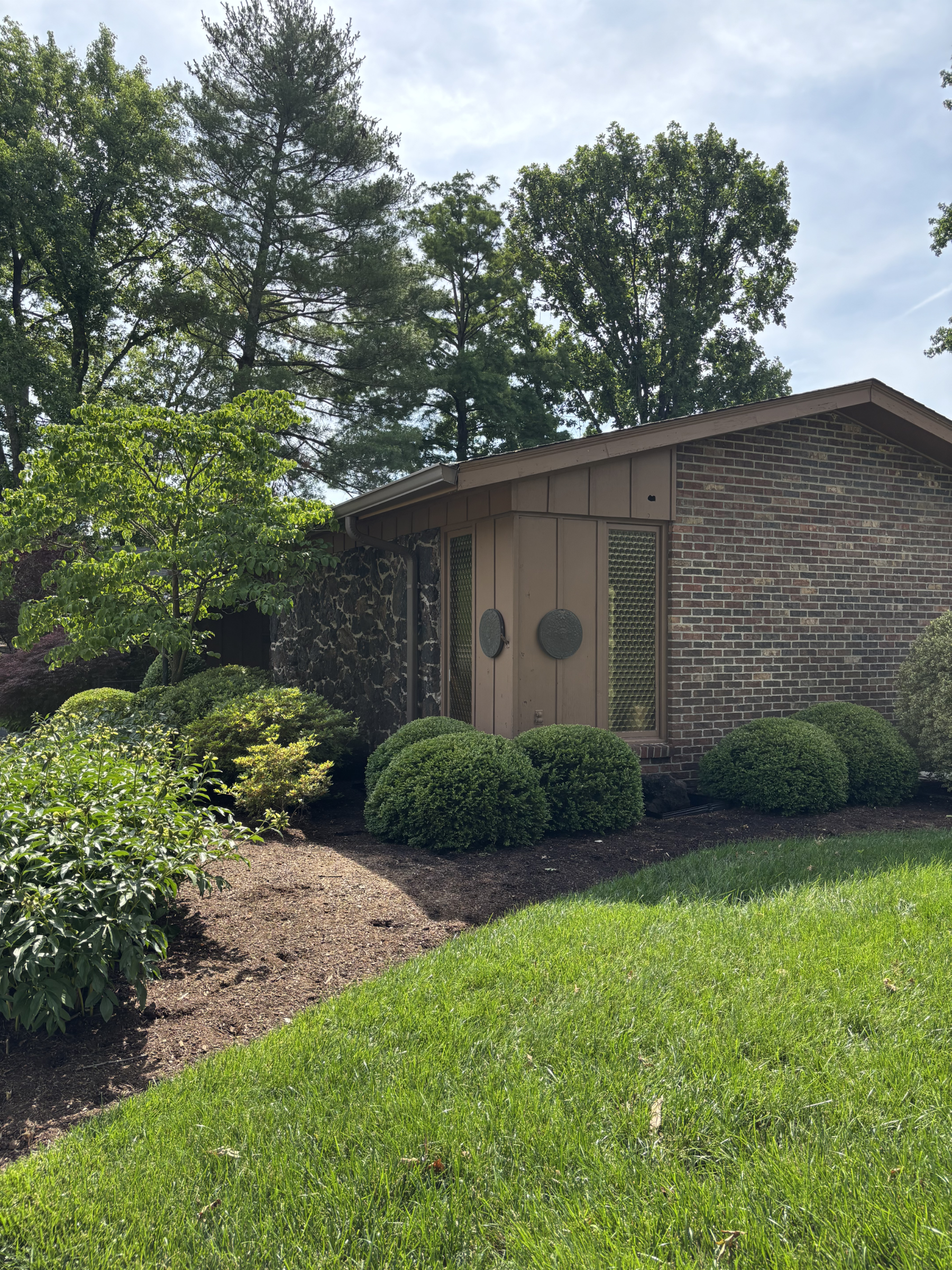
The Bottom Line
Perennial gardening done well is equal parts knowledge and observation. It takes understanding what each plant needs, when it needs it, and how it fits into the bigger picture of your outdoor space.
If you’d like a professional eye on your gardens this season, we’d love to help. Quiet Village Landscaping has been caring for St. Louis properties since 2001.