
If there’s one thing every good gardener in St. Louis learns eventually, it’s this: fall is the best time to plant. Not spring. Fall.
It sounds backwards, especially when garden centers roll out their spring displays like planting season is just getting started. But cooler air, warm soil, and steady fall rain give perennials and trees exactly what they need to settle in before winter, so they come back stronger and faster the following year. Whether you’re filling in a bare bed or finally adding that shade tree you’ve been putting off, September through early November is prime time in the St. Louis area.
Here’s what to plant, what to avoid, and how to set your yard up for a strong spring.
Why Fall Planting Works So Well Here
St. Louis sits in USDA hardiness zone 6b, with parts of the metro closer to 7a along the river. Our first hard frost usually lands in mid to late October, which gives fall-planted trees and perennials several weeks of mild weather to grow roots before the ground freezes.
That root growth is the whole point. Air temperatures cool down in fall, but soil stays warm well into November. Plants put their energy into building a strong root system instead of pushing new leaves or flowers, which means they’re already established and ready to take off the moment spring arrives. You also get a break from summer’s brutal heat and humidity, so new plantings need less water and less babying to survive.
The general rule: aim to get perennials and trees in the ground at least six weeks before your first hard freeze. For St. Louis, that puts your ideal window from early September through mid-October, though many trees and shrubs can still be planted into November if the ground hasn’t frozen.
Best Perennials for St. Louis Fall Gardens
Fall-planted perennials get a full season of root development before they’re ever asked to bloom, which usually means a fuller, healthier plant by year two. These are some of the best choices for our climate and clay-heavy soil.
Coneflower (Echinacea) A Midwest native that thrives in St. Louis heat and clay soil once established. Coneflowers are drought tolerant, pollinator friendly, and reliably come back year after year.
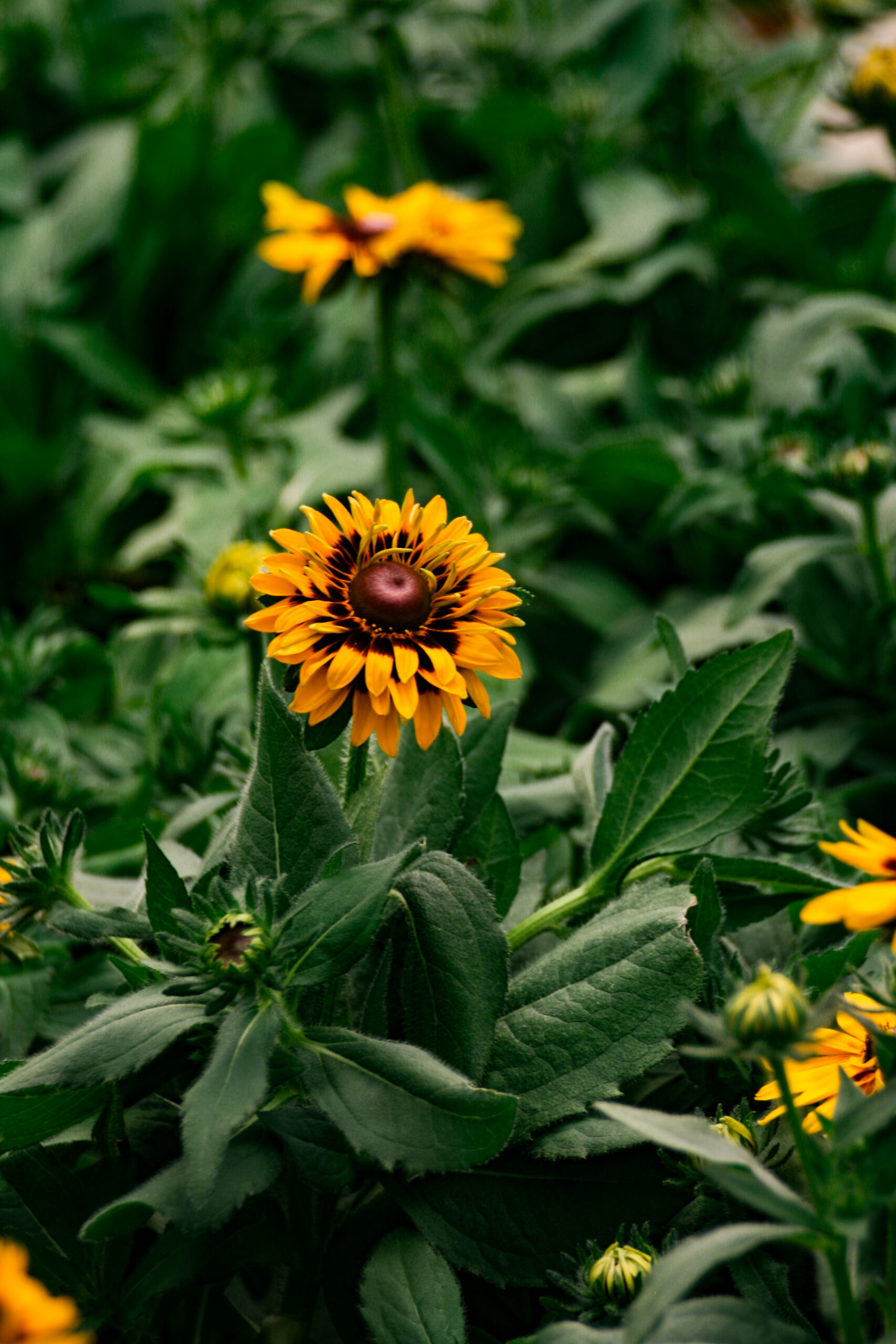
Black-Eyed Susan (Rudbeckia) Another native that handles our summers without complaint. It spreads readily, blooms for weeks, and pairs beautifully with coneflower for a classic prairie look.
Sedum (Autumn Joy and similar varieties) Sedum is about as low maintenance as perennials get. It tolerates poor soil, needs very little water, and its rusty fall color plays nicely with the season.
Russian Sage Silvery foliage and a long bloom window make Russian sage a great choice for sunny St. Louis beds. It’s tough, deer resistant, and doesn’t mind our humidity.
Coral Bells (Heuchera) If you’ve got a shady spot that needs brightening up, coral bells are the answer. New varieties come in nearly every color from lime green to deep burgundy, and they hold their color well into winter.
Catmint (Nepeta) Reliable, long blooming, and one of the easiest perennials to grow in this region. It handles heat, drought, and clay soil better than most.
A quick note on ornamental grasses: some varieties do better planted in spring rather than fall, since they need a full growing season to establish before winter dormancy. Ask before adding grasses to a fall planting plan.
Best Large Trees for St. Louis Fall Planting
Trees benefit even more from fall planting than perennials do, since their root systems take longer to establish. Getting a large tree in the ground in September or October gives it a real head start.
One thing worth knowing: you don’t have to start small. If you want shade or privacy now rather than in ten years, we can source mature, ready-to-plant trees from growers around the country, not just what’s available locally. It’s a great option for homeowners who don’t want to wait decades for a tree to fill in.
Bur Oak and Swamp White Oak Both are native to our region and built for St. Louis clay. They’re slow to moderate growers but incredibly long lived, and they support far more local wildlife than non-native alternatives.
Shumard Oak A faster growing native oak with excellent fall color and strong tolerance for urban conditions, including compacted soil and street plantings.
Bald Cypress Despite the name, bald cypress does well outside wet areas too. It’s remarkably adaptable to St. Louis clay, handles both drought and standing water, and turns a rich rust color in fall.
Tulip Poplar One of the fastest growing large shade trees available, with distinctive tulip-shaped leaves and yellow fall color. Best suited to larger properties given its eventual size.
Sugar Maple and Red Maple Classic choices for reliable fall color. Red maple tends to handle our clay soil and urban stress better than sugar maple, which prefers a bit more room and better drainage.
Ginkgo Nearly indestructible once established, resistant to pests and disease, and known for its brilliant gold fall foliage. A great option for spots with less than ideal soil.
For smaller yards or spots under power lines, dogwoods and redbuds offer beautiful fall color at a more manageable mature size, though they fall into the small tree category rather than large shade trees.
Want instant shade or privacy? All of these species can be planted small and grown out, but they can also be brought in as mature, established specimens for immediate impact. We work with growers in Ohio, Michigan, and beyond to source large trees ready to plant, so if you need shade or a privacy screen this year rather than someday, that’s an option worth asking about.
Ready for Fall?
Fall planting rewards a little planning now with a much stronger yard next spring. Whether you’re adding a few perennials to fill in a bed or bringing in a large shade tree that’ll be part of your property for decades, timing it right in September and October makes all the difference here in St. Louis.
If you’d like help choosing the right plants for your specific yard, soil, and sun exposure, or you’re ready for instant shade with a mature tree, we’re happy to talk it through. Reach out to Quiet Village Landscaping and we’ll help you build a fall planting plan that actually works for your space.