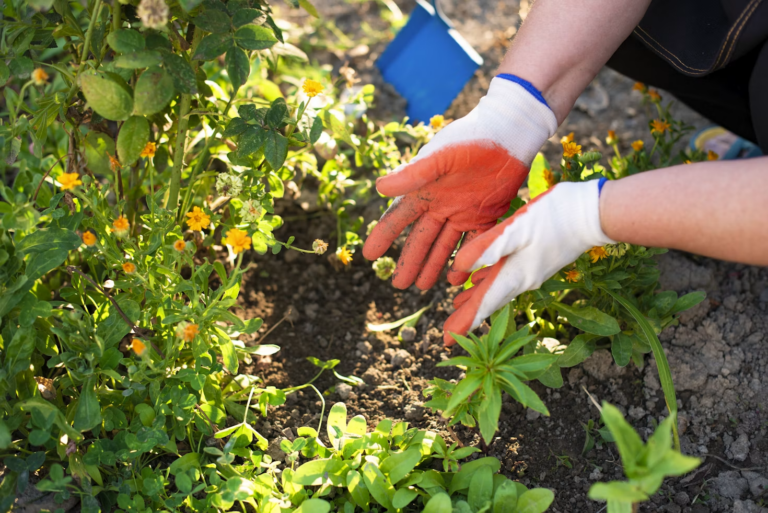

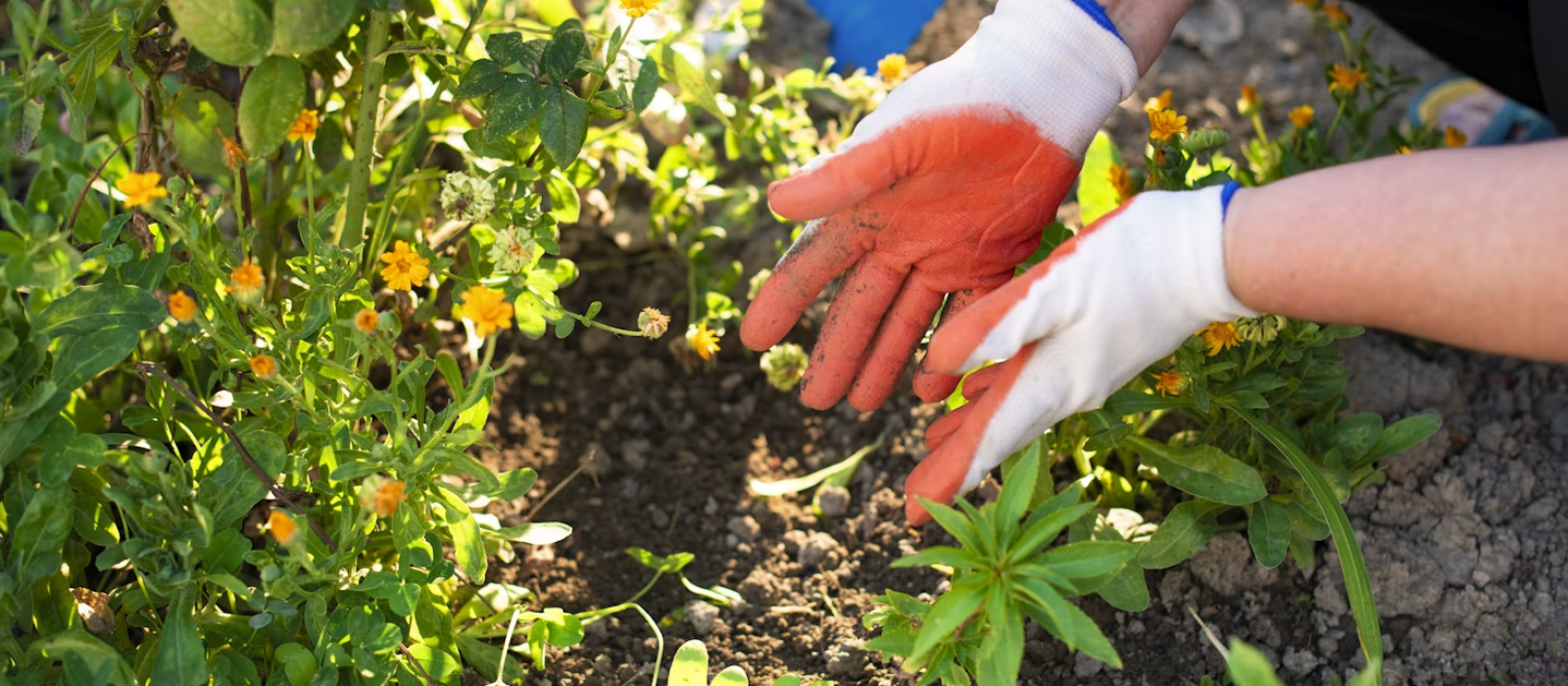
Spring often gets all the glory in the gardening world, but experienced Missouri gardeners know an open secret: autumn is the best season for planting.
As the oppressive summer heat breaks across the St. Louis area, the soil stays warm while the ambient air temperatures drop. These conditions create the ideal environment for young root systems to expand without the stress of scorching midday sun or rapid evaporation. When spring arrives, fall-planted perennials and shrubs are already settled, ready to burst into lush growth and sustain early-season pollinators.
If you’re planning on adding native flora, install a rain garden, or transform a patch of lawn into a lush habitat, this practical, step-by-step guide will walk you through prepping your beds, planting for success, and caring for your landscaping through its first winter.
Why Fall Planting Works in St. Louis
In the St. Louis climate, planting between early September and late October gives root systems roughly 6 to 8 weeks before the ground freezes solid. During fall:
- Transplant shock is minimal: Cooler air prevents heavy moisture loss through foliage.
- Root growth continues underground: Soil holds warmth well into November, allowing perennials to develop vigorous root networks long after top growth goes dormant.
- Spring bloom cycles accelerate: Native species that establish in fall settle in early, typically requiring less supplemental water during their first summer.
Step 1: Prep the Soil (Working with Missouri Clay)
The hallmark of St. Louis soil is dense, mineral-rich clay. While native plants are adapted to naturally heavy soils, compacted garden beds benefit from a bit of physical preparation.
Clear the footprint
- Clear competitive turf: Remove turf, perennial weeds, and invasive grasses completely from the planting zone. If you’re replacing the lawn, strip the sod or use sheet mulching (cardboard topped with compost and mulch) ahead of time.
- Remove deep taproots: Ensure you dig out stubborn taproots (such as dandelion or thistle) so they don’t compete with young native plugs.
Aerate and loosen
- Loosen the upper layer: Loosen the soil to a depth of 8 to 12 inches. Avoid over-tilling with a mechanical rototiller. It can pulverize soil structure, disrupt fungal mycorrhizae, and bring dormant weed seeds to the surface.
- Manage dense clay: If your soil is severely compacted or poorly drained, gently work in 1 to 2 inches of organic compost across the top layer to improve aeration.
Step 2: Source and Select Your Native Plants
When designing for pollinators, choose a succession of flower shapes and blooming periods to supply nectar from spring through frost.
Purple Coneflower (Echinacea purpurea)

- Profile: Sturdy 2 to 4 ft perennial with iconic violet-pink petals surrounding a spiky central cone.
- Fall advantage: Taproots settle quickly into warm autumn soil, and the dried winter seed heads provide a vital food source for goldfinches.
Aromatic Aster (Symphyotrichum oblongifolium)

- Profile: Mounding 1 to 3 ft shrubby perennial blanketed in lavender-blue blossoms late in the year.
- Fall advantage: Serves as a critical late-season nectar stop for migrating monarch butterflies and foraging native bees before freezing temperatures hit.
Black-Eyed Susan (Rudbeckia fulgida / hirta)

- Profile: Dependable 2 to 3 ft native featuring bright golden-yellow ray petals around a dark brown center.
- Fall advantage: Resilient and quick to establish, forming strong basal rosettes underground that emerge with vigorous energy come spring.
Little Bluestem (Schizachyrium scoparium)

- Profile: Slender, warm-season bunchgrass growing 2 to 3 ft tall with vibrant coppery-orange autumn color.
- Fall advantage: Deep fibrous roots anchor loose soil through winter rains while the upright dried foliage provides shelter for beneficial insects.
Swamp Milkweed (Asclepias incarnata)

- Profile: Moisture-loving 3 to 5 ft perennial bearing fragrant rose-pink floral clusters.
- Fall advantage: Sinks deep taproots into damp soils and rain gardens, establishing the essential host environment for Monarch caterpillars next spring.
Step 3: Layout and Spacing Strategy
Proper spacing allows air circulation, prevents fungal issues, and gives roots room to expand.
- Space for mature widths: Read nursery tags carefully. Most native perennials require 18 to 24 inches on center.
- Plant in drifts: Rather than scattering individual plants randomly, cluster species in groups of 3, 5, or 7. Clustered blossoms make it easier for pollinators to spot forage from the air and feed efficiently.
- Layer heights: Position taller perennials and native grasses toward the center or back of the bed, stepping down to mid-sized coneflowers and mounding asters along borders.
Step 4: Step-by-Step Planting Procedure
- Hydrate first: Water all potted perennials thoroughly inside their nursery containers an hour before planting.
- Dig the hole: Dig each hole twice as wide as the root ball, but equal in depth to the container.
- Check the flare and depth: Place the plant so the top of the root collar sits flush with or slightly above the surrounding grade. Planting too deeply invites root rot in heavy Missouri clay.
- Loosen tight roots: If roots are circling or root-bound, gently tease them outward with your fingers.
- Backfill with native soil: Return native soil into the hole, firming it gently with your hands to eliminate air pockets. Avoid stomping down with heavy boots, which causes excess compaction.
- Create a watering basin: Form a low, shallow berm of soil around the outer edge of the planting hole to hold water directly over the root zone.
- Give beds an initial soak: Water immediately and deeply right after planting. Run a hose on a slow trickle or use a soaker hose so moisture penetrates 6 to 8 inches down to the bottom of the root zone.
- Apply native-friendly mulch: Spread a 2 to 3-inch layer of shredded hardwood bark or clean leaf mulch over the bed, keeping it pulled 2 to 3 inches away from the plant crowns to prevent rot while moderating soil temperatures.
Step 6: Winter Care
Once freezing temperatures trigger dormancy, resist the urge to cut everything down to the ground.
- Leave seed heads standing: Plants like coneflowers, black-eyed susans, and native grasses provide natural high-fat seed sources for overwintering birds like American goldfinches, juncos, and chickadees.
- Shelter beneficial insects: Many native bees, predatory wasps, and butterflies survive inside hollow plant stems or beneath fallen leaf litter.
- Time your spring cleanup: Wait to cut back old foliage until spring temperatures normalize to above 50°F in late March or April.
Bring Your Vision to Life
Planning and installing a native, pollinator-friendly ecosystem takes preparation, soil knowledge, and plant curation tailored to St. Louis properties.
Whether you’re looking to design a multi-tiered pollinator garden, solve drainage challenges with an engineered rain garden, or transition to sustainable grounds maintenance, having an expert by your side will give you lasting results.
Schedule an Outdoor Living Assessment with the team at Quiet Village Landscaping. Our landscape designers will walk your property, evaluate your soil and light conditions, and develop a customized, eco-friendly native planting plan that elevates your home’s curb appeal and supports local wildlife for seasons to come.