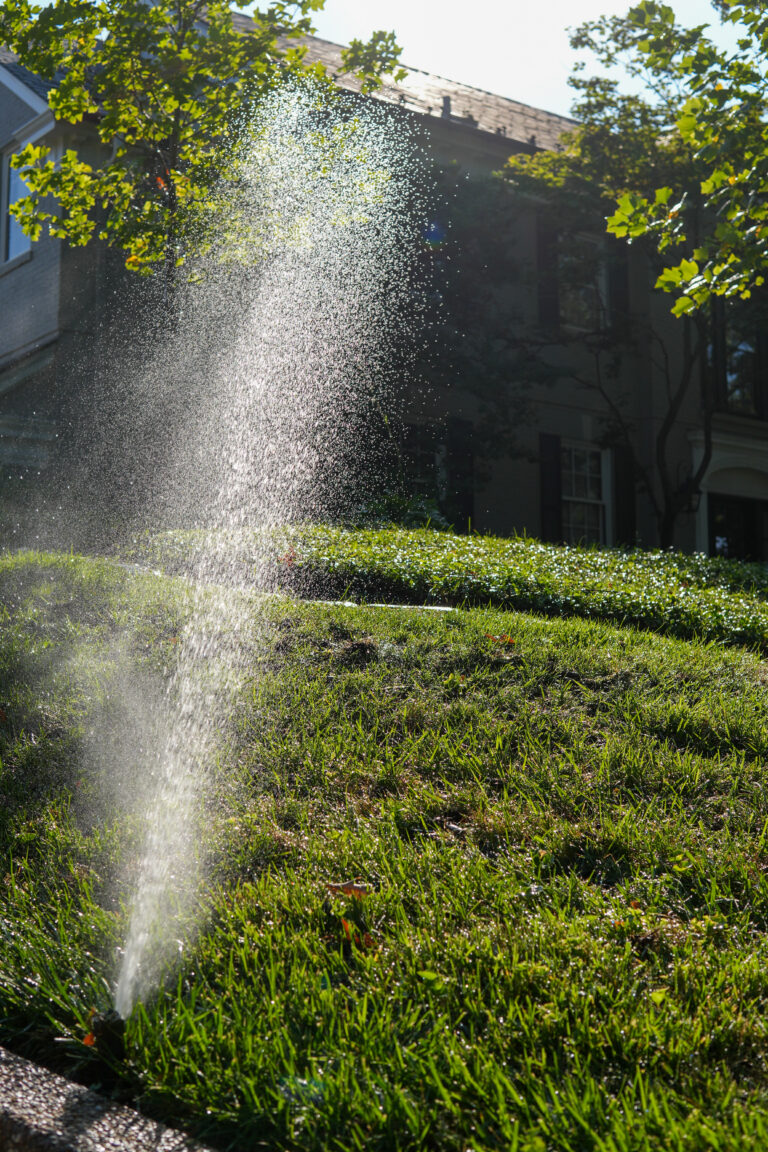

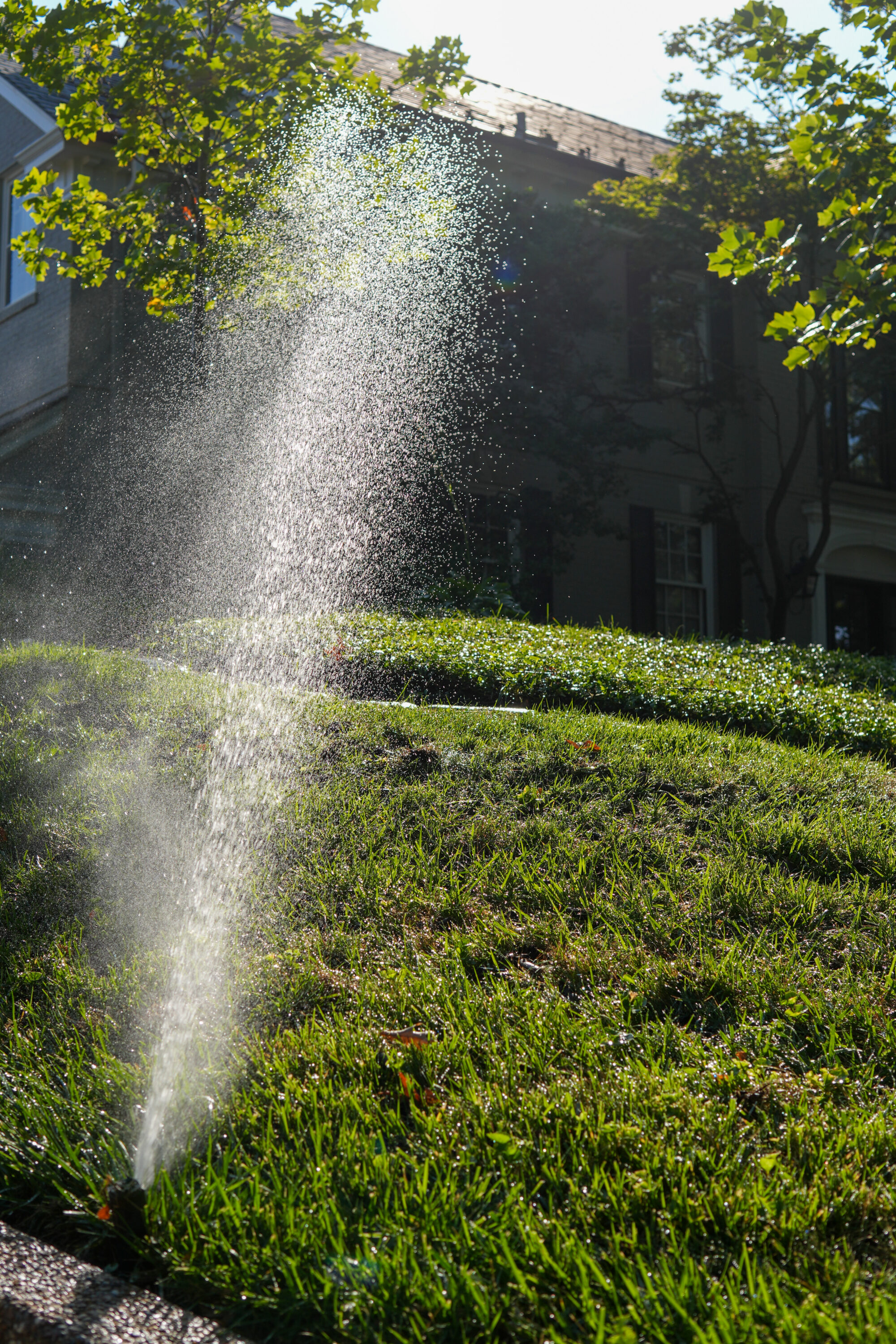
If your lawn looked healthy two weeks ago and suddenly looks tired, thirsty, or is starting to brown, you’re not imagining it. St. Louis is in the middle of a rapid shift from a wet summer to fast-developing drought conditions, and local lawns are feeling it first.
Here’s what’s actually happening, why it’s catching so many homeowners off guard, and what you can do about it before your grass takes real damage.
A Wet Summer That Turned Into a Dry September
Missouri actually had an unusually wet summer this year. The state pulled in around 7 inches of rain over the season, nearly double the typical average of about 4 inches. For a while, that meant healthy lawns and full soil moisture across the region.
But that pattern didn’t hold. August turned dry, and state climatologists have been warning for weeks that St. Louis could slide into drought conditions by September. As of the most recent U.S. Drought Monitor update, roughly 41% of Missouri is now classified as abnormally dry, and that number has been climbing.
That’s the part that trips people up. A wet start to the season feels like a green light to ease off watering. But soil moisture doesn’t carry over indefinitely, especially once temperatures spike and rain stops. Once the ground dries out, it dries out fast.
The Heat Is Making It Worse
It’s not just the lack of rain. September has brought temperatures well above normal for this time of year. St. Louis has been running roughly 15 degrees above the typical September average, with highs pushing past 100°F on some days. Meanwhile, rainfall for the month has been close to zero.
That combination, high heat plus no rain, is brutal on turf. Grass loses moisture through evaporation much faster in this kind of heat, and there’s nothing coming from the sky to replace it. This is exactly the setup that causes lawns to go from green to brown in the span of about a week, which is what a lot of St. Louis homeowners are seeing right now.
Why Your Lawn Can Change So Fast
A healthy St. Louis lawn typically has enough reserve moisture in the soil to ride out a dry stretch for a little while. But that reserve gets used up quickly under 90-100°F heat. Once it’s gone, the grass stops being able to pull up the nutrients it needs, even if the nutrients are technically still in the soil. No water means no delivery system.
That’s why the browning can feel so sudden. It’s not that the lawn was fine one week and unhealthy the next. It’s that the moisture buffer ran out, and the visible stress shows up almost overnight.
What to Do: Add a Watering Day
The fix for most St. Louis lawns right now is straightforward: water at least one more day per week than you normally would during a typical September. That extra day gives the soil a chance to hold onto more moisture between heat spikes, so your grass roots have consistent access to water and nutrients instead of running dry between waterings.
This isn’t about overwatering. It’s about matching your irrigation schedule to what the weather is actually doing instead of what it usually does this time of year. A “normal” September watering schedule was built for normal September conditions, and this September isn’t that.
The Easiest Way to Adjust: A Smart Irrigation System
The tricky part is that most homes still run irrigation on a fixed timer that was set once and forgotten. That works fine when the weather is predictable. It doesn’t work well when you get a summer like this one, wet, then suddenly hot and bone dry, because someone has to notice the shift and manually change the schedule.
A smart irrigation system solves that problem. It adjusts watering based on real-time weather data, soil conditions, and rainfall, so your lawn gets more water during stretches like this one and less when it’s not needed. You can control it yourself from your phone, or have it monitored for you, so you’re never relying on a schedule that was set for a completely different season.
For a lot of St. Louis homeowners, this is the difference between reacting to a brown lawn after the damage is done and staying ahead of it automatically.
Keep an Eye on Your Lawn This Month
If your grass is starting to look stressed, it’s worth checking your current watering schedule against what the weather has actually been doing, not just what it usually does in September. An extra watering day now can prevent a lot of recovery work later.
If you’re thinking about upgrading to a smart irrigation system, or you just want a second opinion on what your lawn needs right now, we’re happy to come take a look.